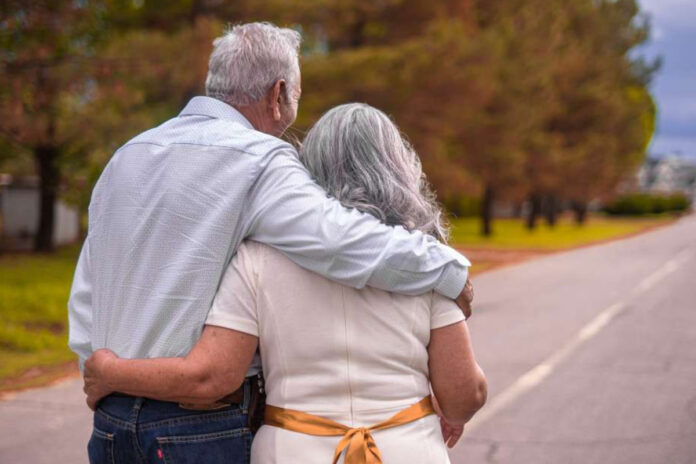

How to Live 100 Years: Today, people around the world want a long, healthy, and happy life. However, achieving longevity is not just about taking supplements, following a strict diet, or doing intense workouts. The most important factor is your small daily habits. One common trait seen among people who live to 100 years or more is that they neither follow extreme diets nor engage in heavy exercise. The secret to their long life lies in their simple weekly routines.
People with long lifespans follow a balanced weekly rhythm—some days for work, some for rest, and at least one day when they intentionally slow down. This reduces decision-related stress and helps keep the mind calm. According to a study published in the American Journal of Lifestyle Medicine, a regular routine helps balance hormones, especially cortisol, which is beneficial for heart and brain health.
Walk More, Naturally
People who live beyond 100 years do walk regularly, but not to achieve step counts or fitness goals. They walk as part of their daily life—going to the market, visiting friends, or running small errands on foot. This constant movement helps maintain body balance, improves digestion, and boosts mood.
One Day of Simple Home-Cooked Food
Another common habit among long-lived people is eating simple, home-cooked food at least one day a week. Their meals are seasonal and not heavily fried or processed. This gives the digestive system a break and reduces excess intake of salt, sugar, and junk food. Research shows that simple food keeps the gut healthy and helps reduce inflammation.
Meeting People in Person
People with long lifespans do not limit their interactions to phone calls or social media. Once or twice a week, they meet neighbors, family members, or small groups in person. A strong social circle keeps the brain active, reduces loneliness, and supports heart health.
One Hour a Week for Mental Peace
Those who live up to 100 years dedicate at least one hour a week to mental peace. Some pray, some write, and others sit quietly in silence. This practice calms the mind and reduces stress. Research indicates that mental peace lowers the risk of age-related illnesses.
Helping Others
Long-living individuals make it a point to help someone every week—whether by assisting family members, teaching children, or doing voluntary work. This gives them a sense of purpose, makes them feel good, and prevents loneliness, helping protect against age-related diseases.